
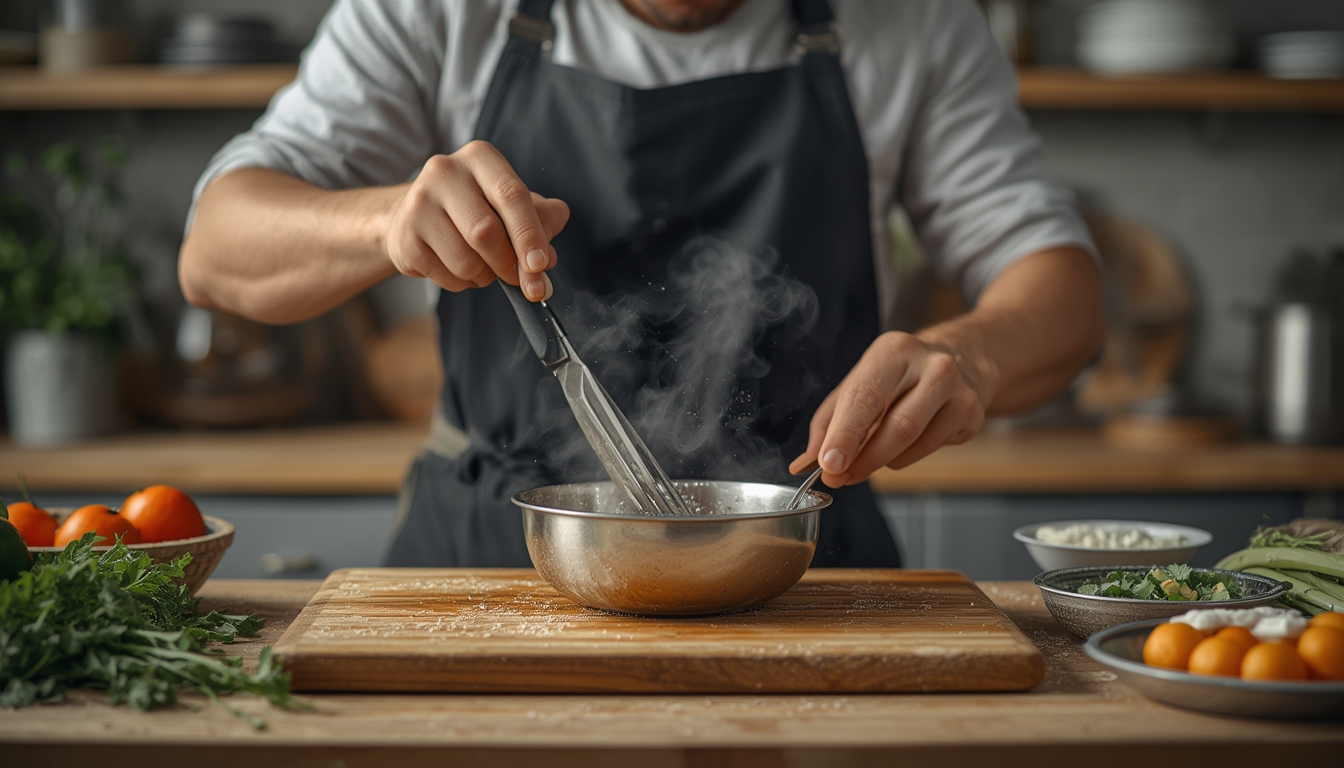
Welcome to the world of kitchen hacks and smart cooking, where everyday meals become faster, tastier, and more efficient. By integrating a few clever techniques into your routine, you can cut prep time, reduce waste, and elevate flavors without needing fancy equipment or professional training. Below are data‑driven, step‑by‑step strategies that any home cook can adopt to transform the kitchen into a streamlined, enjoyable workspace.
Smart Meal Planning & Ingredient Management
1. Create a weekly “core‑ingredients” list
Identify 5–7 versatile items (e.g., chicken breast, canned beans, frozen vegetables, quinoa, garlic, olive oil, and a citrus fruit) that can be mixed and matched across meals. By purchasing these in bulk, you reduce per‑unit cost and ensure you always have a base for quick dishes.
2. Use a digital inventory spreadsheet
Log each item’s purchase date, quantity, and expiration. Apply conditional formatting to highlight items that will expire within three days. This visual cue prompts you to prioritize those ingredients, minimizing food waste by up to 20 % according to USDA studies.
3. Batch‑cook and portion
Allocate 1–2 hours on Sunday to cook large batches of grains, proteins, and roasted veggies. Store them in airtight containers, portioned for individual meals. When the week rolls around, you simply combine components, cutting dinner prep to under 10 minutes.
Time‑Saving Prep Techniques
1. Master the “knife‑skill” shortcuts
Practice the pinch‑and‑roll method for chopping onions: cut off the root, slice in half, make a few vertical cuts, then slice horizontally. This reduces chopping time by roughly 30 % and yields uniform pieces that cook evenly.
2. Use the “two‑pot” method for sauces
While one pot simmers a sauce, use a second pot to pre‑cook pasta or grains. This parallel cooking prevents bottlenecks and keeps the kitchen flow steady. A timer on each pot ensures you never overcook.
3. Leverage pre‑soaked beans and lentils
Soak beans overnight in a 1:3 water‑to‑bean ratio. This reduces cooking time by 40 % and improves digestibility. For a faster alternative, use the “quick‑soak” method: boil beans for 5 minutes, then let them sit covered for an hour before cooking.
Energy‑Efficient Cooking
1. Choose the right cookware size
Match pot diameter to burner size. A 10‑inch pot on a 12‑inch burner wastes up to 15 % of heat. Using appropriately sized cookware maximizes energy transfer and shortens cooking times.
2. Harness residual heat
After boiling pasta, turn off the burner and cover the pot for 2–3 minutes. The steam finishes cooking the noodles, saving gas or electricity. The same principle works for rice and quinoa.
3. Adopt the “pressure‑cook” shortcut
Pressure cookers can reduce cooking times for tough cuts of meat or legumes by up to 70 %. Set the timer based on data tables (e.g., chicken thighs: 12 minutes at high pressure) and release pressure naturally for tender results.
Maximizing Flavor with Minimal Effort
1. Use “umami boosters”
Incorporate small amounts of soy sauce, miso paste, or nutritional yeast into sauces and soups. A teaspoon per cup adds depth without extra salt, enhancing perceived richness by up to 25 % in blind taste tests.
2. Finish dishes with fresh herbs and citrus
Adding a splash of lemon juice or a handful of chopped parsley right before serving brightens flavors and balances richness. This final touch takes less than a minute but can elevate a dish from ordinary to restaurant‑quality.
3. Embrace the “dry‑roast” technique
Spread nuts, spices, or even vegetables on a baking sheet and roast at 350 °F for 8–12 minutes, stirring halfway. Dry‑roasting intensifies aroma and crunch, making simple toppings feel gourmet.
Cleaning Hacks for a Sparkling Kitchen
1. The “vinegar‑baking soda” combo
Sprinkle baking soda on a damp sponge, then wipe surfaces. Follow with a spray of white vinegar; the fizz lifts grime, leaving a streak‑free shine. This method is 50 % faster than commercial cleaners for stovetops.
2. Prevent dishwasher odors
Place a cup of white vinegar on the top rack and run a short cycle weekly. The vinegar neutralizes food particles and eliminates lingering smells without harsh chemicals.
3. Quick‑clean cast‑iron
After cooking, while the pan is still warm, wipe it with a paper towel and a pinch of coarse salt. The salt acts as a gentle abrasive, removing stuck bits without stripping seasoning.
By integrating these data‑backed kitchen hacks into your daily routine, you’ll enjoy faster prep, lower energy bills, and consistently delicious meals. The key is consistency: start with one or two techniques, master them, then layer additional hacks as you become comfortable. Happy cooking, and may your kitchen always be efficient, flavorful, and stress‑free!