

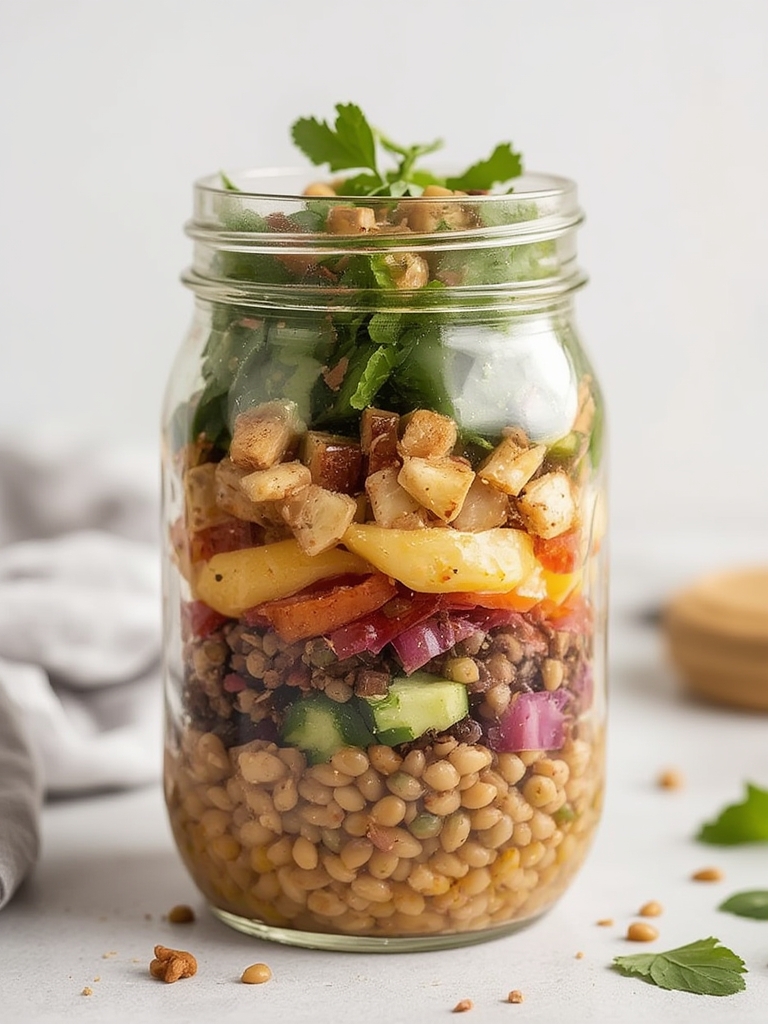
Why Reinvent Comfort Food with Home‑Grown Ingredients?
Comfort food is more than a nostalgic flavor; it’s a feeling of safety and satisfaction. By growing the key ingredients yourself, you add freshness, nutrition, and a personal touch that transforms classic dishes into vibrant, health‑boosting meals. Home‑grown herbs, root vegetables, and leafy greens bring brighter aromas, deeper colors, and a sense of accomplishment that elevates any comfort‑food recipe.
Step‑by‑Step Guide to Growing the Essentials
Step 1: Choose the Right Base Crops
Start with versatile, easy‑to‑grow plants that appear in many comfort dishes:
- Potatoes – the backbone of mash, gratin, and hearty soups.
- Carrots – perfect for stews, roasts, and sweet purees.
- Leafy greens (spinach, kale) – add creaminess to casseroles and pies.
- Herbs (thyme, rosemary, sage) – infuse depth into sauces and roasts.
Pick varieties labeled “early” or “quick‑maturing” for a faster harvest cycle, especially if you’re new to gardening.
Step 2: Prepare the Soil
Healthy soil equals healthy food. Follow these practical actions:
- Test the pH with a simple kit; aim for 6.0–6.8 for most root vegetables.
- Amend the soil with 2–3 inches of compost or well‑rotted manure to improve texture and nutrient content.
- Incorporate a balanced organic fertilizer (10‑10‑10) at planting time to give seedlings a strong start.
Tip: Add a handful of garden lime if the soil is too acidic; it helps potatoes develop a crisp skin.
Step 3: Planting Techniques for Maximum Yield
Each crop has a sweet spot for spacing and depth:
- Potatoes – Plant seed pieces 4 inches deep, 12 inches apart, in rows 30 inches apart. Hill soil around stems as they grow.
- Carrots – Sow seeds ¼ inch deep, thin to 2–3 inches apart once seedlings emerge.
- Leafy greens – Direct‑seed or transplant seedlings 6 inches apart; harvest leaves continuously to encourage new growth.
- Herbs – Space rosemary and sage 18 inches apart; thyme can be closer (12 inches) because it spreads.
Actionable tip: Water immediately after planting to settle soil around roots and reduce transplant shock.
Step 4: Watering and Mulching
Consistent moisture is critical for tender, flavorful produce:
- Water early in the morning to minimize evaporation.
- Apply a 2‑inch layer of organic mulch (straw, shredded leaves) around plants. Mulch conserves moisture, suppresses weeds, and adds organic matter as it breaks down.
- Check soil moisture with your finger—if the top inch feels dry, it’s time to water.
Quick tip: For potatoes, keep the soil evenly moist but avoid waterlogging, which can cause rot.
Step 5: Feeding and Pest Management
Even with rich compost, plants benefit from periodic feeding:
- Side‑dress potatoes and carrots with a light application of nitrogen‑rich fertilizer halfway through the growing season.
- Apply a foliar spray of diluted fish emulsion on leafy greens every two weeks for extra vigor.
Natural pest control ideas:
- Introduce beneficial insects like ladybugs to curb aphids on herbs.
- Use row covers to protect seedlings from cabbage worms and flea beetles.
- Hand‑pick any visible pests and drop them into soapy water.
Step 6: Harvesting at Peak Flavor
Timing the harvest ensures the best texture and taste for your comfort dishes:
- Potatoes – When foliage begins to yellow, gently dig around the plant. Harvest “new” potatoes early for a tender bite; wait longer for larger, starchy tubers.
- Carrots – Pull when roots reach ½–¾ inch in diameter. Smaller carrots are sweeter, perfect for purees.
- Leafy greens – Snip outer leaves first; this encourages continuous growth.
- Herbs – Harvest sprigs before the plant flowers for the most intense flavor.
Actionable advice: Rinse produce with cool water, pat dry, and store in breathable bags in the refrigerator to maintain freshness for up to a week.
Transforming Your Harvest into Reinvented Comfort Dishes
1. Creamy Potato‑Herb Mash
Boil freshly dug potatoes until fork‑tender. While still hot, mash with a splash of oat milk, a dollop of Greek yogurt, and a generous handful of chopped rosemary and thyme. Season with sea salt and cracked black pepper. The home‑grown herbs add a bright, earthy note that lifts the classic mash into a sophisticated side.
2. Carrot‑Ginger Soup with Kale Chips
Saute diced onions, grated ginger, and sliced carrots in olive oil until fragrant. Add vegetable broth, simmer until carrots soften, then blend until silky. Stir in a handful of sautéed kale leaves, then serve with crisp kale chips (toss kale with olive oil, salt, and bake at 350°F for 10 minutes). The garden‑fresh carrots provide natural sweetness, while kale adds a satisfying crunch.
3. Herb‑Infused Baked Mac & Cheese
Prepare a béchamel sauce using butter, flour, and milk. Stir in shredded cheddar, then fold in chopped sage and thyme from your herb garden. Toss the sauce with cooked elbow pasta, top with a breadcrumb‑herb mixture, and bake until golden. The herb infusion transforms a familiar favorite into a fragrant, comforting masterpiece.
4. Rustic Veggie Shepherd’s Pie
Layer a base of sautéed carrots, onions, and diced potatoes with a seasoned lentil mixture. Top with a smooth mash of newly harvested potatoes, dot with butter, and bake until the crust browns. Finish with a sprinkle of fresh rosemary for aroma. This plant‑forward version reduces meat while delivering hearty, wholesome comfort.
Small Daily Practices for Ongoing Success
- Rotate crops each season to prevent soil depletion and disease buildup.
- Keep a simple garden journal: note planting dates, fertilization, and harvest yields. Over time, you’ll see patterns that guide better decisions.
- Use kitchen scraps (e.g., carrot tops, herb stems) as compost material; they return nutrients to the soil and close the loop.
- Set a weekly “garden hour” to inspect plants, water, and enjoy the process. Consistency prevents stress and yields better crops.
Conclusion: From Soil to Soul‑Satisfying Plates
Reinventing comfort food isn’t just about swapping ingredients; it’s about reconnecting with the source of what we eat. By growing potatoes, carrots, greens, and herbs yourself, you gain control over flavor, nutrition, and sustainability. Follow the clear steps above, apply the practical tips, and watch your garden become a pantry of fresh, vibrant components that turn everyday comfort dishes into unforgettable, home‑grown experiences.