
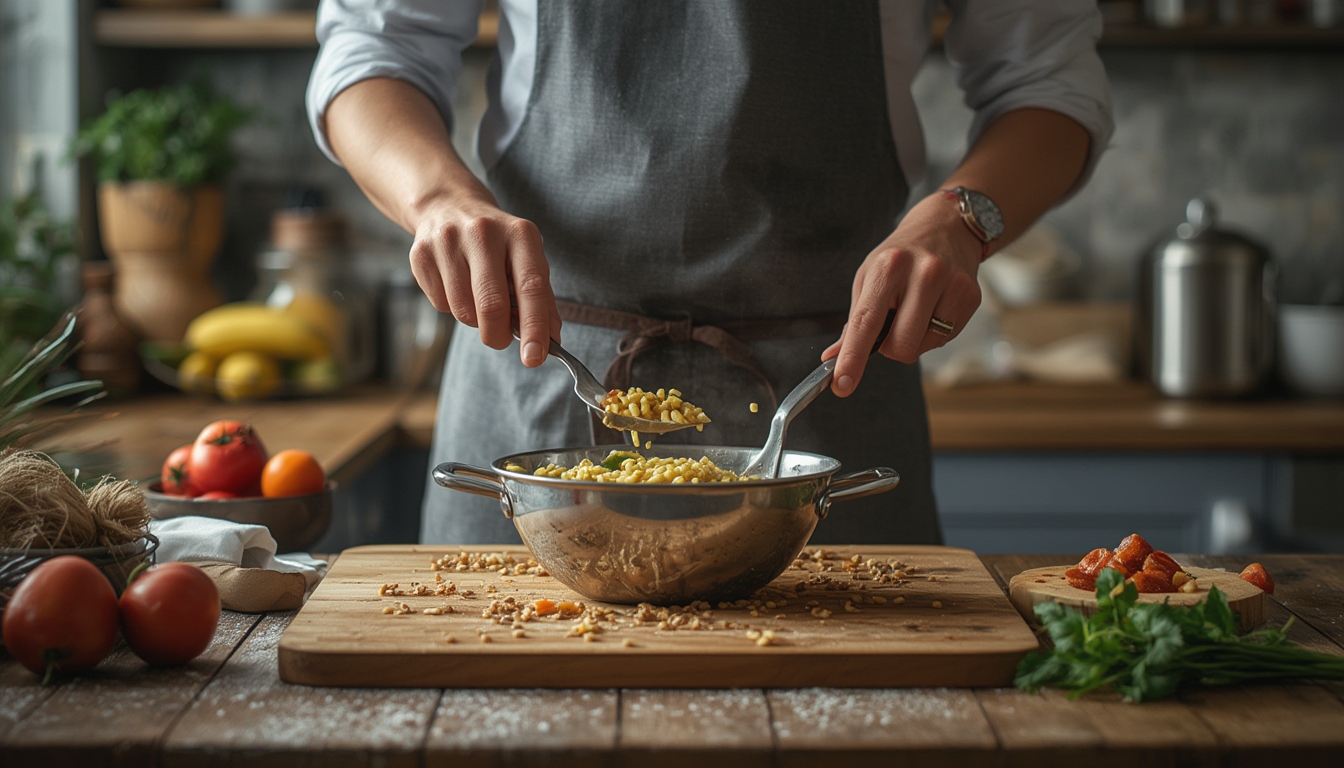

Healthy & functional cooking starts long before the skillet heats up – it begins in the garden or kitchen window where you nurture the very ingredients that will power your meals. Growing your own nutrient‑dense plants not only guarantees freshness, but also lets you control the soil, water, and harvest timing, maximizing the vitamins, antioxidants, and phytonutrients that make a dish truly functional. Below is a step‑by‑step guide to cultivating kale, a versatile leafy green renowned for its high levels of vitamin K, vitamin C, calcium, and glucosinolates, followed by practical cooking tips that turn this powerhouse into delicious, health‑boosting meals.
Choosing the Right Variety and Preparing the Site
Select a Kale Variety That Fits Your Space
For most home growers, Lacinato (Dinosaur) or Red Russian kale are excellent choices. Lacinato offers a milder flavor and compact leaves, ideal for container gardens, while Red Russian tolerates cooler temperatures and produces tender, reddish‑purple stems that add visual interest to dishes.
- Actionable tip: Purchase certified organic seeds from a reputable supplier to avoid unwanted contaminants.
- Trick: Soak seeds in a bowl of lukewarm water for 12‑24 hours before planting to speed up germination.
Soil Preparation for Maximum Nutrient Uptake
Kale thrives in well‑draining, loamy soil with a pH between 6.0 and 7.0. Amend the planting area with 2–3 inches of compost or well‑rotted manure to boost organic matter and microbial activity.
- Actionable tip: Use a simple soil test kit to check pH; if the soil is too acidic, incorporate garden lime at a rate of 1 cup per 10 square feet.
- Trick: Mix in a handful of crushed eggshells for a slow‑release calcium source, which supports leaf structure.
Planting and Early Care
Sowing Seeds Indoors or Directly Outdoors
If you have a short growing season, start seeds indoors 4–6 weeks before the last frost date. Plant seeds ¼ inch deep in seed‑starting mix, keeping the medium consistently moist but not soggy.
- Actionable tip: Provide a light source (a grow lamp) for 12–14 hours daily to prevent leggy seedlings.
- Trick: Once seedlings develop two true leaves, thin them to one plant per 12‑inch spacing to reduce competition.
Transplanting and Direct Sowing
When seedlings have 3–4 true leaves and the danger of frost has passed, transplant them into the prepared garden or larger containers. Space plants 12–18 inches apart in rows 24 inches apart to allow air circulation.
- Actionable tip: Water the seedlings thoroughly before transplanting to minimize root shock.
- Trick: Mulch around the base with straw or shredded leaves to retain moisture and suppress weeds.
Ongoing Maintenance for Peak Nutrition
Watering Strategies
Kale prefers consistent moisture. Aim for 1–1.5 inches of water per week, adjusting for rainfall. Deep watering encourages a robust root system.
- Actionable tip: Use a drip irrigation system or soaker hose to deliver water directly to the soil, reducing leaf wetness and disease risk.
- Trick: Add a pinch of seaweed extract to the watering can once a month for a natural source of micronutrients.
Fertilizing and Feeding
After the first true leaves appear, side‑dress the plants with a balanced organic fertilizer (e.g., 10‑10‑10) at a rate of 1 tablespoon per foot of row, repeating every 4–6 weeks.
- Actionable tip: Incorporate a liquid kelp feed every two weeks to boost the plant’s glucosinolate content, enhancing its functional properties.
- Trick: Observe leaf color; a yellowing canopy may indicate nitrogen deficiency, prompting an extra feed of compost tea.
Pest and Disease Management
Kale can attract aphids, cabbage worms, and fungal leaf spots. Early detection and organic interventions keep the crop healthy.
- Actionable tip: Spray a solution of neem oil (1 teaspoon per quart of water) weekly, focusing on the undersides of leaves.
- Trick: Plant companion herbs such as rosemary or thyme nearby; their aromatic compounds deter many common pests.
Harvesting for Maximum Flavor and Nutrient Retention
Timing the Cut
Begin harvesting when leaves reach 6–8 inches in length. Cut the outermost leaves first, leaving the central bud intact to continue producing new growth.
- Actionable tip: Use clean, sharp scissors to avoid tearing the plant, which can invite disease.
- Trick: Harvest in the early morning after dew has dried but before the sun intensifies; this preserves the highest vitamin C levels.
Post‑Harvest Handling
Rinse leaves gently under cool water, pat dry, and store in a perforated plastic bag in the refrigerator’s crisper drawer. Use within 5–7 days for optimal texture and nutrient content.
- Actionable tip: If you plan to freeze kale, blanch the leaves in boiling water for 2 minutes, then shock in ice water before packing.
- Trick: Freeze in portion‑sized zip‑top bags with a small amount of olive oil; this prevents freezer burn and adds a ready‑to‑use cooking fat.
Transforming Fresh Kale into Functional Meals
Simple Sautéed Kale with Garlic and Lemon
Heat 1 tablespoon of extra‑virgin olive oil in a skillet over medium heat. Add 2 cloves minced garlic, sauté for 30 seconds, then stir in 4 cups chopped kale. Cook, stirring, until wilted (about 4–5 minutes). Finish with a squeeze of fresh lemon juice, a pinch of sea salt, and a sprinkle of toasted pumpkin seeds for added magnesium.
Kale‑Infused Smoothie for a Morning Boost
Blend 1 cup packed kale leaves (stems removed) with 1 ripe banana, ½ cup frozen berries, 1 tablespoon chia seeds, and 1 cup unsweetened almond milk. The result is a fiber‑rich, antioxidant‑laden drink that supports gut health and sustained energy.
Hearty Kale and Lentil Soup
In a large pot, sauté 1 diced onion and 2 carrots in 2 tablespoons olive oil until softened. Add 1 cup rinsed brown lentils, 4 cups low‑sodium vegetable broth, and 1 bay leaf. Simmer 20 minutes, then stir in 2 cups chopped kale and cook an additional 5 minutes. Season with cumin, black pepper, and a dash of apple cider vinegar for enhanced mineral absorption.
Maintaining a Continuous Supply
Succession Planting
Every 2–3 weeks, sow a small batch of kale seeds in a separate row or container. This staggered approach ensures a steady harvest throughout the growing season, providing fresh greens for daily functional meals.
- Actionable tip: Mark planting dates on a garden calendar to stay organized.
- Trick: Rotate the location of each new batch to prevent soil‑borne disease buildup.
Extending the Season with Cold Frames
As temperatures dip, cover the kale bed with a cold frame or row cover. Kale tolerates frost and can even become sweeter after exposure to light freezes, enhancing its functional compounds.
- Actionable tip: Remove covers on sunny days to prevent overheating.
- Trick: Sprinkle a thin layer of straw over the soil before covering to insulate roots.
By integrating these cultivation steps with simple, nutrient‑preserving cooking methods, you create a self‑sustaining loop of healthy, functional meals. The result is not just a garden full of vibrant kale, but a daily diet enriched with the vitamins, minerals, and bioactive compounds that support optimal health.