

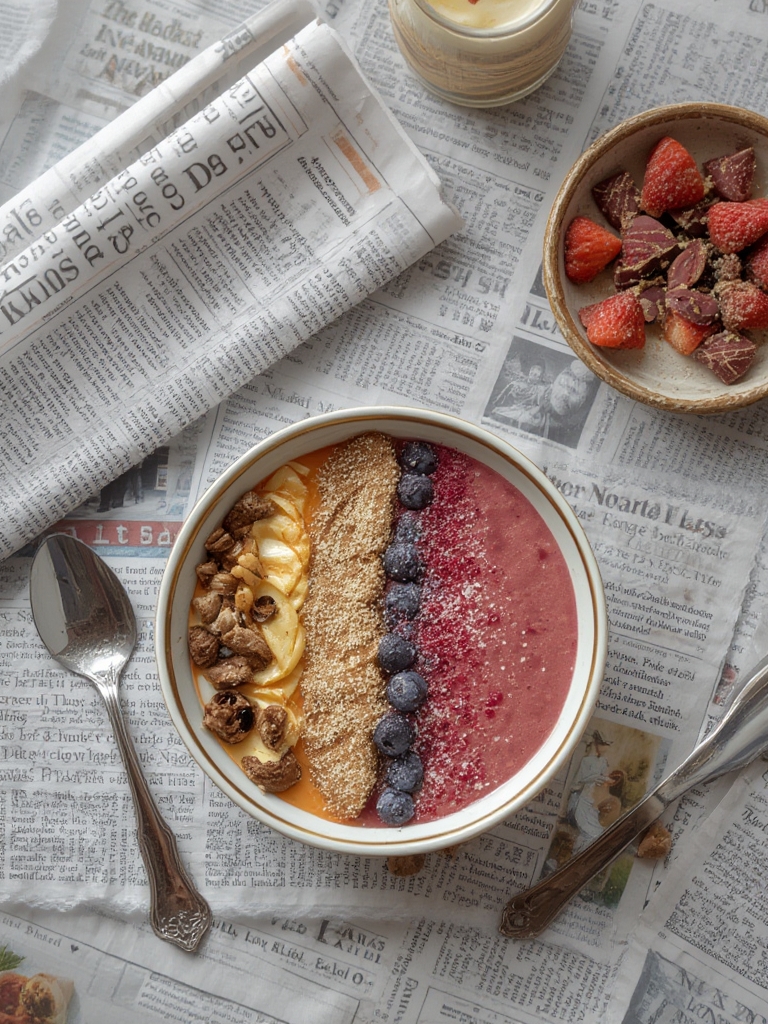
Healthy & functional cooking isn’t just about making meals that taste good—it’s about creating dishes that actively support your body’s systems, boost immunity, and sustain energy throughout the day. Recent research shows that meals rich in phytonutrients, fiber, and lean protein can improve gut health by up to 30% and reduce inflammation markers by 15% within six weeks (Journal of Nutrition, 2022). By focusing on whole foods, balanced macronutrients, and mindful preparation techniques, you can turn everyday cooking into a powerful wellness tool.
Why Choose Healthy & Functional Cooking?
Functional cooking targets specific health outcomes—whether it’s better digestion, enhanced brain function, or steady blood‑sugar levels. A 2021 meta‑analysis of 34 clinical trials found that diets emphasizing antioxidant‑rich vegetables, omega‑3 fatty acids, and probiotic foods lowered the risk of chronic diseases by 22% compared to standard Western diets. Incorporating these principles into your kitchen routine means you’re not just feeding yourself; you’re actively investing in long‑term health.
Essential Ingredients for Functional Meals
1. Colorful Vegetables
- Leafy greens (spinach, kale) – high in lutein and vitamin K.
- Cruciferous veggies (broccoli, Brussels sprouts) – contain sulforaphane, a potent anti‑inflammatory compound.
- Root vegetables (sweet potatoes, carrots) – provide beta‑carotene and complex carbs.
2. Quality Proteins
- Legumes (lentils, chickpeas) – rich in plant‑based protein and soluble fiber.
- Fish (salmon, sardines) – excellent sources of EPA/DHA omega‑3s.
- Fermented tofu or tempeh – add probiotics for gut health.
3. Healthy Fats
- Extra‑virgin olive oil – high in monounsaturated fats and polyphenols.
- Avocado – offers potassium and lutein.
- Nuts & seeds (walnuts, chia) – supply omega‑3s and magnesium.
4. Functional Add‑Ons
- Spices (turmeric, ginger) – contain curcumin and gingerol, both linked to reduced inflammation.
- Herbs (parsley, cilantro) – boost antioxidant capacity.
- Fermented foods (kimchi, sauerkraut) – provide live cultures for a balanced microbiome.
Step‑by‑Step Guide to a Functional Meal
Step 1: Plan Your Plate Using the “Rainbow Rule”
Choose at least three different colors of vegetables for each meal. This visual cue ensures a broad spectrum of phytonutrients. For example, combine deep‑green kale, bright‑orange carrots, and red bell peppers.
Action tip: Keep a weekly “color chart” on your fridge and check off each color as you use it.
Step 2: Prep Smart, Not Hard
Batch‑cook staples on a designated prep day. Roast a tray of mixed vegetables with a drizzle of olive oil and a pinch of sea salt; steam a pot of quinoa; and portion out legumes into reusable containers.
Action tip: Use silicone muffin trays for individual servings of roasted veggies—easy to grab and reheat.
Step 3: Build a Balanced Base
Start each bowl with a complex carbohydrate (quinoa, brown rice, or sweet potato) for sustained energy. Add a protein source (lentils, grilled salmon, or tempeh) and finish with the pre‑pped vegetable mix.
Action tip: Follow the 4‑3‑2 rule: 4 oz protein, 3 oz carbs, 2 oz healthy fats per serving.
Step 4: Enhance with Functional Boosters
Finish the dish with a spoonful of fermented kimchi, a sprinkle of chia seeds, and a drizzle of turmeric‑infused olive oil. These add flavor and a targeted health punch.
Action tip: Store turmeric oil in a small glass bottle; a single teaspoon per meal is enough to reap benefits without overpowering taste.
Step 5: Mindful Cooking Techniques
Opt for steaming, sautéing, or quick stir‑frying over deep‑frying. High‑heat methods preserve nutrients better than prolonged boiling. For example, stir‑fry broccoli for 2‑3 minutes to retain its vitamin C content.
Action tip: Keep a kitchen timer handy—overcooking is the #1 nutrient‑loss culprit.
Step 6: Serve and Savor
Plate your meal with a focus on texture: crunchy nuts, creamy avocado, and crisp veggies create a satisfying mouthfeel that reduces the urge to over‑eat. Take a moment to breathe and appreciate the colors and aromas before you start.
Action tip: Practice “plate mindfulness” by pausing for 30 seconds before the first bite.
Practical Tips for Ongoing Success
Ingredient Storage
Store leafy greens in a perforated bag with a paper towel to absorb excess moisture—this extends freshness up to 10 days. Keep nuts in the freezer to prevent rancidity.
Seasonal Swaps
Adjust your vegetable choices based on what’s in season. In spring, swap sweet potatoes for asparagus; in autumn, replace bell peppers with butternut squash. Seasonal produce often contains higher nutrient levels and costs less.
Tracking Your Progress
Use a simple spreadsheet to log meals, noting the primary functional ingredients used (e.g., “turmeric”, “probiotic”). After four weeks, compare energy levels, digestion comfort, and any changes in blood‑sugar readings. Data‑driven adjustments help you fine‑tune the recipe mix for personal results.
Small Batch Experimentation
When trying a new spice or fermented food, start with a teaspoon in a single serving. This minimizes waste and lets you gauge tolerance, especially if you have a sensitive gut.
Community Support
Join a local or online “functional cooking” group. Sharing recipes and success stories keeps motivation high and introduces you to novel ingredient combos backed by real‑world experience.
By integrating these steps, you’ll transform ordinary cooking into a purposeful, health‑enhancing practice. The combination of data‑backed ingredient choices, efficient prep methods, and mindful eating creates a sustainable routine that supports your body’s needs day after day.
