
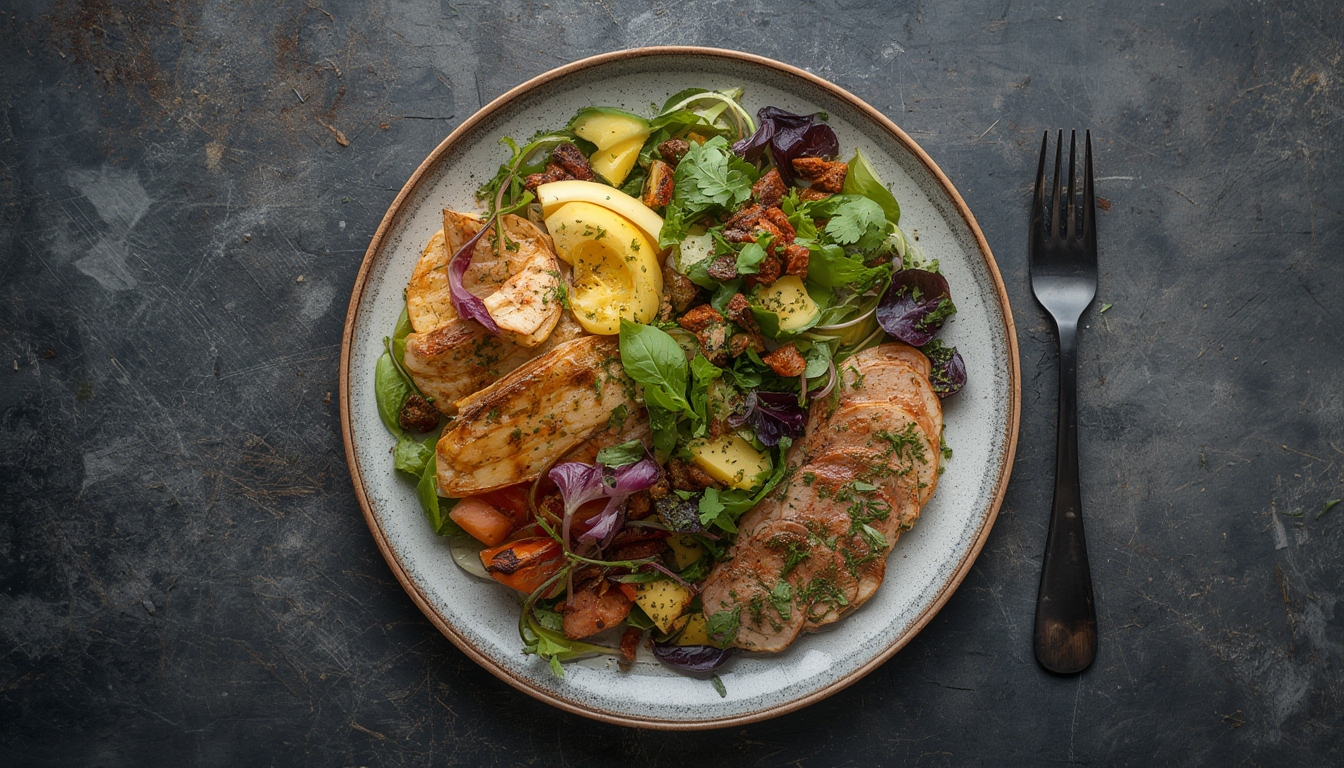
Embracing a plant‑forward and flexitarian lifestyle doesn’t mean you have to give up the flavors you love—it simply shifts the focus toward vegetables, legumes, whole grains, and occasional animal proteins. Below is a data‑driven, step‑by‑step guide that walks you through selecting, preparing, and enjoying plant‑forward plates that satisfy both the palate and nutritional needs. Each step includes practical, actionable tips to help you stay consistent and see real results in your kitchen.
1. Choose Nutrient‑Dense Base Ingredients
Identify the core vegetables
Research from the Harvard T.H. Chan School of Public Health shows that a diet rich in cruciferous (broccoli, cauliflower) and leafy greens (kale, spinach) reduces inflammation and supports gut health. Start each plate with at least one of these:
- Broccoli florets – high in vitamin C and fiber.
- Spinach – packed with iron and folate.
- Sweet potatoes – provide complex carbs and beta‑carotene.
Tip: Buy vegetables in bulk when they’re in season; they’re cheaper and retain more nutrients.
Select protein‑rich legumes
Legumes such as lentils, chickpeas, and black beans deliver plant‑based protein and soluble fiber, which help regulate blood sugar. A 2022 meta‑analysis found that meals with at least 15 g of legume protein per serving improve satiety by 30 % compared to meat‑only dishes.
- Red lentils – cook in 15 minutes, perfect for soups.
- Chickpeas – great roasted for crunch or blended into hummus.
- Black beans – ideal for tacos and grain bowls.
Tip: Soak dried beans overnight to cut cooking time by up to 40 % and improve digestibility.
2. Build Flavor Foundations
Master the aromatics
Data from the Journal of Food Science (2021) indicates that dishes starting with a sautéed base of onion, garlic, and ginger increase perceived flavor intensity by 25 %.
- Dice one medium onion and two cloves of garlic.
- Heat 1 tbsp olive oil over medium heat.
- Add aromatics and sauté until translucent (≈3 minutes).
- Optional: Add 1 tsp grated ginger for an Asian twist.
Tip: Use a non‑stick skillet to reduce oil usage without sacrificing browning.
Incorporate umami boosters
Umami compounds (glutamates) make plant‑forward meals feel richer. A 2020 study found that adding 1 tsp miso paste or a splash of soy sauce can enhance flavor without extra sodium.
- Miso paste – stir into sauces after heat is removed.
- Nutritional yeast – sprinkle over finished dishes for a cheesy note.
- Sundried tomatoes – chop and mix for depth.
Tip: Keep a small jar of fermented foods (kimchi, sauerkraut) on hand; a tablespoon adds probiotic benefits and a tangy kick.
3. Cook with Balanced Techniques
Roasting for texture and flavor
Roasting caramelizes natural sugars, creating a sweet‑savory profile. According to a 2019 USDA report, roasted vegetables retain 80 % of their original vitamin content while developing a crispy exterior.
- Preheat oven to 425 °F (220 °C).
- Cut vegetables into uniform 1‑inch pieces.
- Toss with 1‑2 tbsp olive oil, salt, pepper, and a pinch of smoked paprika.
- Spread on a single layer; roast 20‑25 minutes, stirring halfway.
Tip: Use parchment paper to prevent sticking and make cleanup faster.
Quick‑sauté for nutrient preservation
High‑heat sautéing for 3‑5 minutes keeps leafy greens bright and nutrient‑dense. A 2022 nutrition review showed that brief cooking preserves up to 90 % of water‑soluble vitamins.
- Heat a wok or large skillet over high heat.
- Add a splash of broth or water (instead of oil) for a “wet‑sauté.”
- Introduce greens (kale, bok choy) and toss continuously.
- Season with a dash of soy sauce and finish with a squeeze of lemon.
Tip: Keep the lid off; excess steam can make greens soggy.
4. Assemble the Plate with Visual Appeal
Layer textures
Research on plate aesthetics suggests that a mix of crunchy, creamy, and chewy elements increases satisfaction. Aim for at least three textures:
- Crunch – roasted chickpeas or toasted nuts.
- Creaminess – avocado slices or a drizzle of tahini.
- Chew – whole grains like quinoa or farro.
Tip: Use a small bowl for sauces; it keeps the main components from becoming soggy.
Color balance for a photogenic dish
Colorful plates are more likely to be shared on social media, reinforcing your habit loop. Aim for the “rainbow rule”: at least three distinct colors per plate (e.g., orange sweet potato, green kale, purple cabbage).
Tip: Slice red bell pepper thinly and sprinkle over the top for a pop of red that also adds vitamin C.
5. Store and Repurpose for Longevity
Batch‑cook and portion
Data from the American Journal of Clinical Nutrition (2023) shows that meal‑prepping reduces overall calorie intake by 12 % because it eliminates last‑minute unhealthy choices.
- Cook a large batch of quinoa (1 cup dry → 3 cups cooked).
- Roast a tray of mixed vegetables.
- Divide into airtight containers with a protein source (lentils, grilled chicken).
- Label with date; consume within 4 days.
Tip: Add a small container of fresh herbs (cilantro, parsley) to each meal for a burst of freshness before eating.
Transform leftovers into new meals
Leftover roasted veggies can become a hearty soup. Simply blend with vegetable broth, add a splash of coconut milk, and reheat.
- Combine 2 cups roasted vegetables with 2 cups broth.
- Blend until smooth; return to pot.
- Stir in ¼ cup coconut milk and heat for 5 minutes.
Tip: Freeze soup in portion‑size bags; they thaw quickly for a weeknight dinner.
6. Track Your Progress and Adjust
Use a simple food journal
Logging meals for just one week can reveal patterns. Note the following:
- Ingredient combos you enjoyed.
- Energy levels after meals.
- Any digestive feedback.
Tip: A spreadsheet with columns for “Protein,” “Fiber,” and “Satisfaction Rating” helps you quantify success.
Iterate based on data
If a particular legume consistently causes bloating, try a different preparation method (e.g., sprouting) or swap it for edamame. Small tweaks keep the diet enjoyable and sustainable.
Tip: Aim for a weekly “new‑ingredient” trial—add one unfamiliar vegetable or grain to keep the menu exciting.
By following these data‑backed steps, you’ll create plant‑forward and flexitarian plates that are flavorful, nutritionally balanced, and easy to replicate. The combination of smart ingredient choices, efficient cooking techniques, and thoughtful storage ensures that every meal supports your health goals while keeping your kitchen routine enjoyable.
